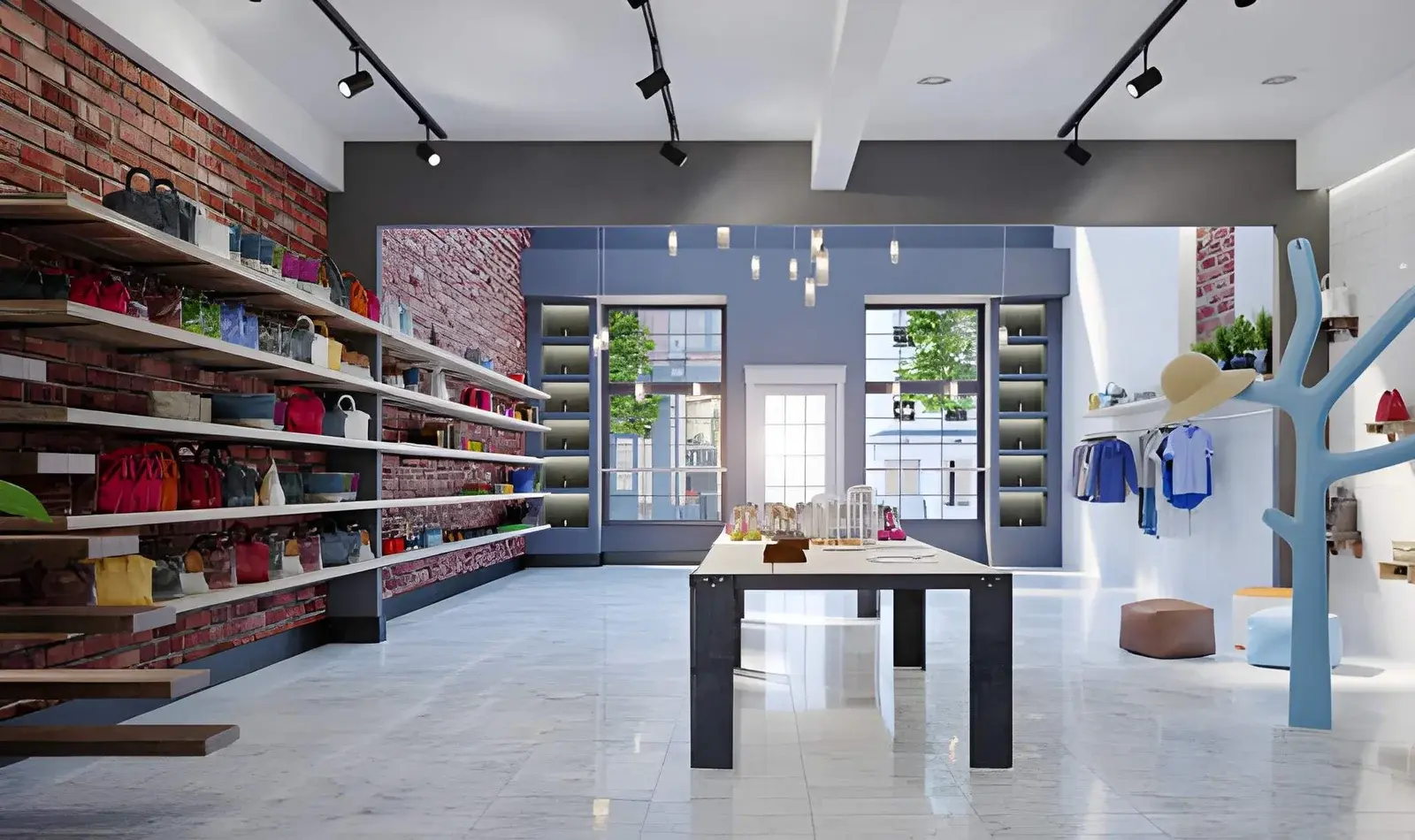

In an era dominated by digital commerce, physical brick-and-mortar stores must offer shoppers far more than simple transaction counters; they must deliver memorable, immersive, and sensory-rich brand experiences. Visual merchandising is a strategic discipline that leverages spatial design, strategic lighting, visual storytelling, and intentional product placement to engage customers and drive sales. By curating cohesive aesthetic environments, retailers can guide foot traffic seamlessly, evoke emotional connections, accentuate product value, and transform routine shopping visits into inspiring brand journeys that foster long-term customer loyalty.
Designing Intuitive Store Layouts and Customer Traffic Flow
The physical layout of a retail store forms the structural foundation of the customer experience, directly influencing how shoppers navigate, discover, and interact with merchandise. A well-planned floor layout eliminates spatial confusion, minimizes clutter, and encourages organic exploration across every retail department.
Retailers utilize distinct floor plans—such as grid, loop, or free-form layouts—depending on their product categories and target audience preferences. The loop layout, for example, guides shoppers along a continuous, curated path around the entire sales floor, ensuring high exposure for featured displays and seasonal collections without overwhelming the customer.
Furthermore, establishing generous primary aisles and open transition zones—traditionally referred to as decompression zones near store entrances—allows shoppers to slow down, adjust to the store environment, and take in sightlines comfortably. Clear traffic pathways prevent store congestion, lower shopper stress levels, and create an inviting atmosphere conducive to prolonged browsing.
Creating Decompression Zones at Store Entrances
Designing an open, uncluttered entry space allows arriving shoppers to transition mentally from busy exterior streets to your interior brand atmosphere.
Avoiding heavy product displays immediately inside entrance doors prevents visual overload, allowing customers to orient themselves comfortably. Decompression zones facilitate welcoming transitions.
Optimizing Sightlines to Encourage In-Store Exploration
Maintaining low-profile fixture heights throughout central floor areas ensures shoppers enjoy clear visual lines toward high-value rear departments.
Unobstructed sightlines draw customers deeper into retail spaces naturally, maximizing foot traffic across all merchandise categories. Strategic sightlines maximize store navigation.
Strategic Product Focal Points and Dynamic Window Displays
Storefront window displays represent a retailer’s primary visual handshake with passing foot traffic, serving as a powerful invitation to enter the space. Compelling window displays tell a vivid seasonal story, showcase flagship products, and communicate brand identity within seconds.
Inside the store, creating strategic focal points—often called visual feature walls or display islands—captures customer attention at key decision intersections. Utilizing the rule of three, varied display heights, and contrasting textures creates visual interest that draws the eye directly toward featured items.
Additionally, incorporating high-resolution, archival-quality graphic backdrops elevates thematic displays significantly. Utilizing premium visual assets, such as high-grade giclee printing in Salt Lake City, Utah, provides rich color saturation and sophisticated visual depth that transforms standard retail walls into artistic storytelling canvases.
Crafting Story-Driven Storefront Window Concepts
Designing thematic window displays around lifestyle narratives rather than simple product groupings captures shopper imagination and curiosity instantly.
Rotating window concepts every few weeks keeps store facades fresh, encouraging repeat foot traffic from local community members. Narrative windows drive store entry.
Applying the Rule of Three in Tabletop Displays
Arranging merchandise in asymmetrical groups of three creates visual balance that engages human eyes more effectively than symmetrical pairings.
Varying fixture heights within product clusters adds dynamic dimension, making individual items stand out distinctly. The rule of three enhances visual balance.
Utilizing Atmospheric Lighting and Color Psychology
Lighting and color selection exert a profound psychological influence on shopper mood, dwell time, and purchasing behavior. Strategic illumination does far more than make products visible; it establishes mood, highlights premium textures, and directs customer movement through subtle contrast.
Layering ambient, accent, and task lighting creates depth and drama across the retail floor. Bright, uniform ambient lighting energizes value-focused environments, whereas warm, focused accent spotlights illuminate luxury displays, drawing eyes toward high-margin items while creating an intimate, upscale atmosphere.
Color schemes should align closely with brand values and product themes. Warm tones like red and gold evoke energy and passion, while cool blues and greens promote relaxation and trust. Utilizing cohesive color stories across visual displays unifies retail spaces, helping customers process merchandise options without visual fatigue.
Layering Ambient and Accent Lighting Fixtures
Combining soft overhead ambient light with sharp accent spotlights highlights product details while eliminating harsh facial shadows in fitting rooms.
Directing warm spotlights onto featured displays creates high-contrast focal points that command customer attention effortlessly. Layered lighting controls spatial focus.
Leveraging Color Palettes to Evoke Customer Emotions
Selecting harmonious color palettes for seasonal displays reinforces product themes, such as cool pastels for spring apparel or rich earth tones for autumn gear.
Consistent color stories reduce cognitive load, allowing shoppers to browse product collections with ease and enjoyment. Color harmony drives aesthetic satisfaction.
Multi-Sensory Merchandising and Interactive Touchpoints
While visual elements dominate store design, engaging multiple human senses simultaneously creates a far richer and more memorable customer experience. Modern visual merchandising integrates tactile, auditory, and olfactory cues to reinforce visual branding.
Incorporate tactile interactive touchpoints that encourage customers to touch, test, and feel products firsthand. Open display tables, accessible sample stations, and interactive demo counters remove physical barriers between shoppers and merchandise, building confidence in product quality.
Complement visual displays with subtle ambient music and signature store fragrances tailored to your brand identity. Soft acoustic soundscapes and gentle scents evoke positive emotional associations, encouraging customers to linger longer, explore deeper, and enjoy a truly immersive shopping journey.
Encouraging Hands-On Product Interaction
Removing protective glass barriers and placing touchable demo models at comfortable waist heights invites shoppers to test product functionality directly.
Tactile interaction builds emotional ownership, increasing the likelihood of purchase decisions significantly. Touchpoints accelerate sales conversions.
Curating Ambient Soundscapes and Signature Scents
Playing background music calibrated to target demographic preferences sets an inviting tempo that matches store energy levels.
Diffusing subtle, signature brand fragrances creates pleasant sensory memories that shoppers associate positively with your physical store. Multi-sensory cues deepen brand loyalty.
Clear Signage, Wayfinding, and Price Transparency
Even the most beautiful visual merchandising displays lose effectiveness if customers struggle to navigate departments or find pricing information. Clear, elegant signage provides necessary operational structure, guiding shoppers effortlessly through their purchasing journey.
Category signage should feature legibility from a distance, utilizing high-contrast typography and clean branding elements that complement overall store aesthetics. Departmental wayfinding signs orient first-time visitors quickly, reducing frustration and creating a stress-free shopping environment.
Furthermore, price transparency and promotional clarity are vital for maintaining customer trust. Displaying clear price markers, product benefit callouts, and story cards near key merchandise displays answers customer questions proactively, streamlining the final purchasing decision without requiring constant staff intervention.
Designing High-Contrast Departmental Wayfinding
Installing elevated, easy-to-read category signs near main aisles helps shoppers locate specific departments without searching aimlessly.
Consistent typographic styles across all directional signs reinforce visual brand discipline throughout the facility. Clear wayfinding eliminates shopping friction.
Displaying Transparent Product Benefit Callouts
Placing concise feature-and-benefit cards alongside complex merchandise highlights key value propositions quickly for browsing customers.
Transparent pricing and informational tags eliminate purchase hesitation, empowering confident, independent customer selections. Benefit cards accelerate checkout decisions.
Seasonal Rotation, Freshness, and Display Maintenance
Visual merchandising is not a static installation; it requires continuous monitoring, frequent refreshment, and meticulous physical maintenance to maintain its impact. Stale, messy, or neglected displays signal a lack of care, damaging brand reputation and reducing customer engagement.
Establish a regular schedule for refreshing major visual displays, rotating window features, and updating floor merchandise every four to six weeks. Aligning display updates with seasonal shifts, holiday trends, and promotional campaigns keeps store environments dynamic and exciting for returning shoppers.
Simultaneously, enforce strict daily housekeeping protocols across all sales floor zones. Restocking empty shelves promptly, dusting display fixtures, aligning product labels forward, and folding apparel neatly ensures the store remains pristine, professional, and ready to welcome every customer.
Implementing Scheduled Display Rotation Cycles
Refreshing front-of-store feature displays monthly showcases new inventory arrivals, giving frequent shoppers fresh reasons to explore.
Rotating slow-moving inventory to high-traffic endcap locations restores product visibility and drives clearance performance. Display rotation maximizes inventory velocity.
Enforcing Daily Merchandising Maintenance Standards
Assigning store associates to face product labels, smooth table linens, and clean glass display cases keeps retail environments pristine continuously.
Well-maintained, orderly merchandise shelves signal high quality and care, reassuring shoppers about product value. Daily maintenance preserves brand prestige.
Conclusion
Visual merchandising is a powerful, multifaceted discipline that transforms physical retail stores into vibrant, engaging, and highly productive customer experiences. By designing intuitive store layouts, creating compelling window focal points, leveraging strategic lighting and color psychology, incorporating multi-sensory touchpoints, maintaining clear wayfinding signage, and enforcing meticulous display rotation standards, retailers build environments that captivate shoppers. Investing in thoughtful visual merchandising elevates brand perception, enhances customer satisfaction, maximizes dwell time, and drives long-term profitability in today’s competitive retail landscape.
Also Read
- responses-when-someone-says-you-owe-me/
- what-does-a-guy-mean-when-he-says-you-look-so-innocen/
- /funny-ways-to-respond-when-a-girl-says-shes-seeing-someone/