
Introduction
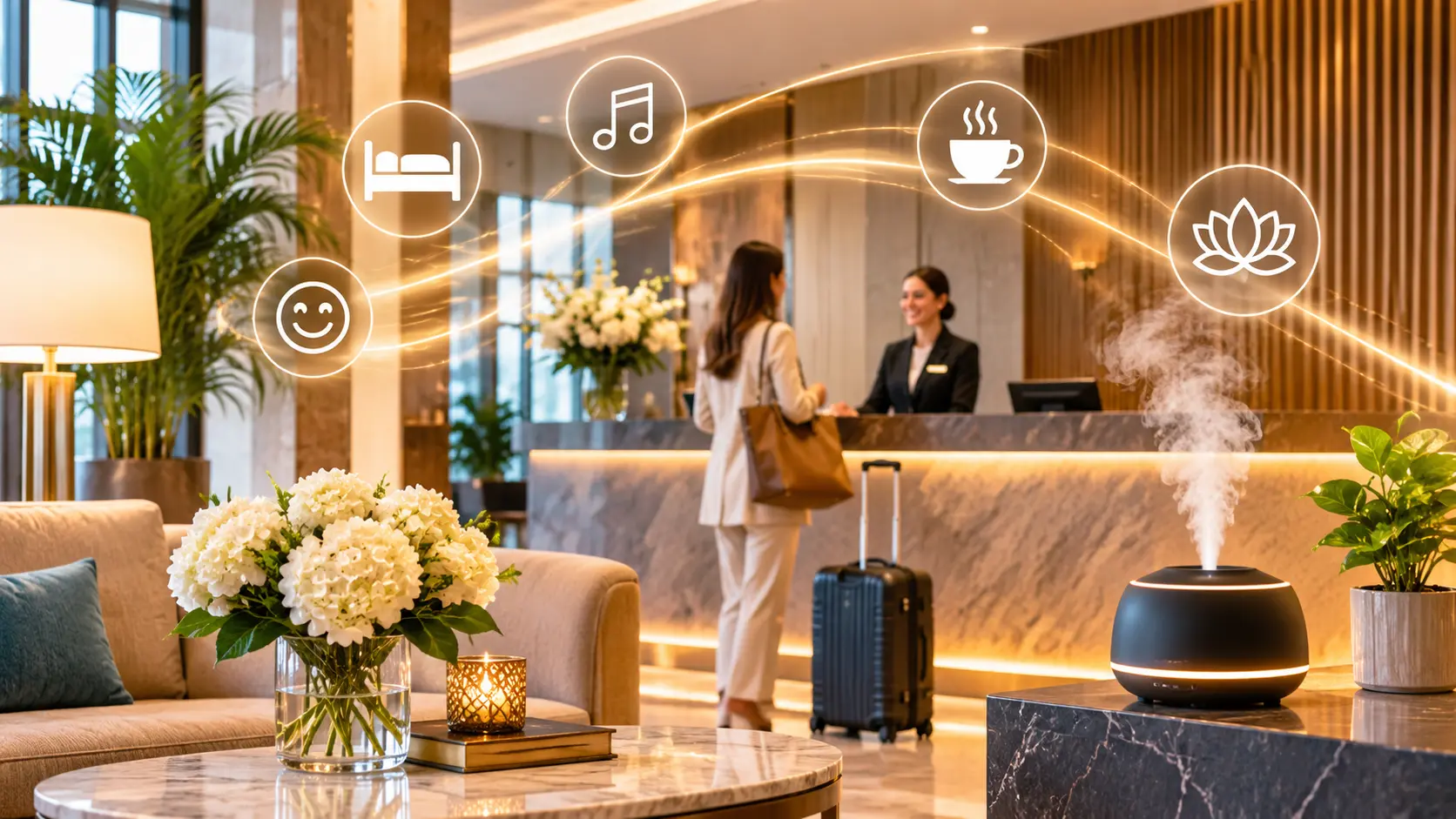
The atmosphere of a hospitality space plays an important role in shaping how guests perceive, experience, and remember a place. Whether it is a luxury hotel, boutique resort, restaurant, spa, or reception area, the surrounding environment influences visitors long before they interact with staff or experience the services offered. Elements such as lighting, interior design, temperature, sound, colour, air quality, and fragrance work together to create an environment that can make people feel comfortable, relaxed, and welcomed. These elements are not simply decorative choices; they are connected to human psychology, sensory perception, and environmental behaviour.
Modern hospitality design increasingly focuses on understanding how people respond to their surroundings. Research in environmental psychology and sensory marketing demonstrates that physical environments can influence emotions, attention, comfort, and purchasing decisions. By applying these principles, hospitality businesses can create spaces that offer more than functional accommodation or dining services. They can develop meaningful experiences that encourage guests to stay longer, return in the future, and form positive associations with the establishment.
Understanding the Psychology of Hospitality Environments
Human beings continuously process information from their surroundings through different sensory systems. Sight, hearing, smell, touch, and taste contribute to the way individuals understand and respond to an environment. In hospitality settings, these sensory experiences operate together, influencing the overall impression guests develop.
Environmental psychology examines the relationship between people and the physical spaces they occupy. One important concept in this field is the Stimulus-Organism-Response (S-O-R) framework. It explains how environmental stimuli, such as lighting, music, fragrance, and spatial arrangements, influence an individual’s internal emotional and cognitive responses, which may subsequently affect their behaviour.
For example, a hotel lobby with comfortable seating, balanced lighting, pleasant background music, and a clean atmosphere may encourage guests to relax while waiting for check-in. In contrast, excessive noise, uncomfortable temperatures, harsh lighting, or unpleasant odours can create discomfort even when the establishment provides high-quality services. This demonstrates why hospitality design must consider the psychological effects of environmental elements rather than focusing exclusively on appearance.
The Role of Lighting in Creating Comfortable Spaces
Lighting is one of the most influential environmental elements in hospitality design because it affects visual comfort, mood, and the perception of space. Natural daylight can make interiors feel more open and connected to the outdoor environment, while artificial lighting helps establish different atmospheres according to the purpose of a particular area.
Warm lighting is commonly used in hotel lounges, restaurants, and relaxation areas because it can create a softer and more intimate visual environment. Brighter lighting is generally more suitable for reception counters, workspaces, corridors, and areas where visitors need clear visibility. The colour temperature, intensity, direction, and distribution of light all contribute to the overall visual experience.
Lighting design also influences how guests perceive interior materials, furniture, architectural details, and colours. A carefully planned lighting system can highlight important design features while reducing glare and unnecessary visual discomfort. Hospitality establishments increasingly use adjustable lighting systems to adapt the environment to different activities and times of day.
How Fragrance Influences Human Emotions and Memory
The sense of smell has a particularly interesting relationship with human emotions and memory. Unlike many other sensory pathways, olfactory information has strong connections with brain regions involved in emotional processing and memory formation, including the amygdala and hippocampus. This neurological relationship helps explain why certain smells can quickly remind people of particular experiences, locations, or emotions.
In hospitality environments, fragrance can contribute to the overall identity of a property. A carefully selected scent may help create a perception of freshness, cleanliness, relaxation, or sophistication. For instance, subtle floral or herbal fragrances may be suitable for wellness areas, while light citrus notes can contribute to a fresh and energetic atmosphere in certain common spaces.
A professionally selected Hotel Scent Diffuser can help distribute fragrance more consistently throughout designated areas than relying on individual air fresheners or scented products. Modern scent diffusion systems may use controlled dispensing mechanisms to manage fragrance intensity and distribution according to the size, ventilation, and purpose of a space.
However, effective scent design requires careful consideration. Fragrance should remain subtle rather than overwhelming, as individuals have different sensitivities and preferences. Excessive fragrance may cause discomfort, headaches, or irritation for some visitors. Hospitality businesses should therefore consider fragrance-free areas, appropriate ventilation, suitable products, and guest feedback when developing an ambient scent strategy.
Research into sensory marketing also suggests that congruent sensory elements are important. This means that the fragrance, lighting, music, and visual identity of a space should complement one another. A relaxing spa environment, for example, may benefit from gentle lighting, low-volume instrumental music, and a subtle fragrance rather than combining unrelated or competing sensory experiences.
The Importance of Sound and Background Music
Sound is another important factor in shaping the atmosphere of hospitality spaces. Background music, conversations, footsteps, and environmental noise contribute to the auditory experience of guests. The type, volume, tempo, and familiarity of music can influence how people perceive an environment and how comfortable they feel within it.
Research in tourism and hospitality suggests that music selection matters more than simply having music playing. Music that matches the character of an establishment can strengthen the overall experience. For example, a luxury hotel lounge may benefit from soft instrumental music, whereas a contemporary restaurant may use a more energetic playlist to complement its design and customer demographic.
Sound management also involves controlling unwanted noise. Poor acoustic conditions, loud conversations, mechanical equipment, and noise from neighbouring areas can interfere with relaxation and communication. Hotels can address these issues through sound-absorbing materials, acoustic wall panels, carpets, ceiling treatments, and appropriate spatial planning. A balanced auditory environment allows guests to communicate comfortably while maintaining a pleasant atmosphere.
Interior Design, Colours, and Spatial Arrangement
Interior design influences the way guests understand and interact with hospitality environments. Furniture selection, colour combinations, textures, decorative objects, and architectural details contribute to the visual identity of a property. However, effective hospitality design requires more than aesthetic appeal. It must also support movement, accessibility, comfort, and practical use.
Colour psychology is frequently considered during interior planning because colours can influence visual impressions and emotional associations. Neutral shades, including beige, cream, and soft grey, are commonly used to create understated interiors. Green and blue tones are often associated with natural environments, calmness, and freshness, although individual responses depend on personal experiences and cultural backgrounds.
Spatial arrangement is equally important. A hotel lobby should provide clear circulation routes, accessible reception facilities, comfortable seating, and sufficient space for luggage and movement. Restaurants require suitable distances between tables to support privacy and efficient service. When furniture is arranged without considering functionality, even an attractive interior can become inconvenient for visitors.
The concept of biophilic design has also gained attention in modern hospitality architecture. It involves incorporating natural elements into built environments through indoor plants, natural materials, daylight, water features, and views of outdoor landscapes. These features can strengthen people’s connection with nature and contribute to a more comfortable indoor experience. Natural elements are particularly valuable in urban hospitality properties where access to green outdoor spaces may be limited.
Temperature, Air Quality, and Physical Comfort
Physical comfort is a fundamental requirement for a positive hospitality experience. Temperature, humidity, ventilation, and indoor air quality influence how guests feel during their stay. Even carefully designed interiors may fail to create a welcoming environment if visitors experience excessive heat, cold, poor ventilation, or unpleasant indoor odours.
Heating, ventilation, and air-conditioning (HVAC) systems help maintain suitable indoor conditions by regulating temperature, controlling humidity, and supporting air circulation. Proper ventilation also helps dilute indoor pollutants and reduce the accumulation of unwanted odours. These systems should be designed according to occupancy levels, building characteristics, climate conditions, and the specific requirements of different areas.
For example, guest rooms require individual comfort and appropriate temperature control, while restaurants may need ventilation systems capable of managing cooking-related heat and odours. Spas and wellness facilities may have different temperature and humidity requirements depending on the treatments and activities provided.
Air quality also influences the effectiveness of fragrance management. A well-designed Hotel Scent Diffuser should be selected and operated with consideration for room volume, air movement, ventilation, and fragrance concentration. Simply increasing fragrance output does not necessarily improve the atmosphere. The objective should be to maintain a clean, comfortable environment in which any additional fragrance remains balanced and unobtrusive.
Creating a Consistent Multisensory Experience
One of the most important principles of modern hospitality design is multisensory consistency. Guests rarely experience lighting, music, fragrance, interior design, and temperature as separate elements. Instead, the brain combines information from different sensory systems to develop an overall impression of the environment.
For example, a wellness resort may use natural materials, soft lighting, quiet surroundings, comfortable temperatures, and subtle botanical fragrances to establish a consistent atmosphere of relaxation. If loud music or an overpowering fragrance is introduced into the same environment, it may weaken the intended experience.
This principle is known as multisensory congruence. It refers to the extent to which different sensory elements complement one another and communicate a consistent message. Research into hotel sensory experiences highlights the importance of combining sensory elements rather than relying exclusively on visual design. The objective is to ensure that every environmental detail supports the intended character of the space.
Consistency is also important across different areas of a hospitality property. Reception spaces, corridors, restaurants, guest rooms, and wellness facilities may have different atmospheric requirements, but they should still reflect the establishment’s overall identity. This creates a recognisable experience without making every area feel identical.
The Role of Technology in Modern Hospitality Atmosphere Management
Technology has made it easier for hospitality businesses to manage environmental conditions with greater precision. Smart lighting systems, automated climate controls, acoustic monitoring, and programmable fragrance systems allow establishments to adjust their environments according to occupancy, time of day, and operational requirements.
For example, automated lighting can gradually adjust brightness throughout the day, while smart temperature controls can maintain comfortable indoor conditions without unnecessary energy consumption. Similarly, programmable fragrance systems can regulate scent intensity and operating schedules across different areas of a property.
A modern Hotel Scent Diffuser may incorporate adjustable intensity settings, programmable timers, and different diffusion technologies to support controlled fragrance distribution. Some systems use cold-air diffusion, which converts fragrance oil into fine particles without requiring traditional heating. The suitability of a particular system depends on the property’s requirements, room dimensions, ventilation, maintenance needs, and the fragrance formulation.
Technology should support the guest experience rather than become an unnecessary complication. Hospitality managers should regularly inspect equipment, maintain ventilation systems, monitor indoor conditions, and ensure that automated environmental controls operate reliably.
Personalisation and Cultural Considerations in Hospitality Design
Hospitality businesses serve guests from different geographical regions, cultural backgrounds, age groups, and personal preferences. As a result, a single atmospheric design approach may not be equally effective for everyone. Preferences regarding colours, music, fragrances, lighting, and interior arrangements can vary significantly between individuals and cultures.
Personalisation helps hospitality businesses recognise these differences. Hotels may provide adjustable room lighting, individual temperature controls, different pillow options, and fragrance-free accommodation choices. Restaurants can consider customer preferences when selecting music volume and seating arrangements.
Fragrance personalisation deserves particular attention because people can respond differently to the same scent. Some guests may appreciate floral or woody fragrances, while others may prefer neutral environments. Additionally, individuals with allergies, asthma, migraines, or fragrance sensitivities may experience discomfort from certain scented products. Providing fragrance-free options and maintaining effective ventilation can therefore make hospitality environments more inclusive.
Cultural awareness is also essential when establishing a property’s sensory identity. Music, decorative elements, natural materials, and fragrances should reflect the intended guest experience without relying on stereotypes or assumptions about cultural preferences.
Measuring the Effectiveness of Hospitality Atmospheres
Creating an attractive atmosphere is not enough; hospitality businesses should also evaluate whether their environmental strategies are achieving the intended results. Guest feedback, satisfaction surveys, online reviews, repeat-visit rates, and complaints about environmental conditions can provide useful information about the effectiveness of different design decisions.
For example, hotel management can examine guest comments about room comfort, lighting, noise levels, air quality, and the overall appearance of public spaces. If visitors frequently mention unpleasant smells or excessive fragrance, management can review the ventilation system and adjust scent distribution accordingly.
Operational measurements are also valuable. Temperature records, humidity levels, ventilation performance, energy consumption, and equipment maintenance reports help identify environmental issues that may not immediately appear in customer feedback.
Businesses introducing fragrance systems can begin with a limited trial in selected areas. They can collect guest responses, monitor fragrance intensity, and compare feedback before expanding the programme. This approach reduces unnecessary investment and allows managers to make decisions based on actual operating conditions rather than assumptions.
Scientific research supports the importance of these decisions. A 2024 meta-analysis examining 55 articles and 102 effect sizes found positive effects of pleasant ambient scent on customer responses across retail and hospitality settings. However, the researchers also identified differences based on research methods and environmental conditions, highlighting the importance of context when applying scent strategies. <Cite refs={[“turn735401search0”]}/>
Sustainability and Responsible Environmental Design
Sustainability has become an important consideration in modern hospitality development. Guests and businesses increasingly recognise the importance of reducing energy consumption, managing resources responsibly, and selecting environmentally appropriate materials.
Energy-efficient lighting, well-insulated buildings, water-saving facilities, sustainable furniture materials, and efficient HVAC systems can reduce the environmental impact of hospitality operations. Natural ventilation and daylight can also contribute to energy efficiency when incorporated appropriately into building design.
Responsible fragrance management should follow the same principles. Hospitality businesses should evaluate fragrance ingredients, product safety information, packaging, equipment efficiency, and maintenance requirements before selecting a diffusion system. They should also avoid excessive fragrance consumption and ensure that products are used according to manufacturer instructions.
A sustainable hospitality environment is not necessarily one with the most expensive technology or elaborate interior design. It is one that balances guest comfort, operational efficiency, environmental responsibility, and long-term building performance.
Conclusion
Creating a welcoming and memorable hospitality atmosphere requires a scientific understanding of human behaviour, sensory perception, environmental psychology, and interior design. Lighting, sound, fragrance, temperature, air quality, colours, and spatial arrangements all contribute to the way guests experience a property. These elements influence not only the appearance of a space but also its comfort, emotional character, and perceived quality.
Modern hospitality businesses can benefit from combining scientific research with practical environmental management. Rather than treating individual design elements as isolated features, they should develop coordinated environments in which every sensory detail supports the purpose and identity of the establishment.
From carefully planned lighting and acoustic treatments to responsible fragrance management and smart environmental controls, each decision contributes to the overall guest experience. When these elements are thoughtfully integrated, hospitality spaces become more comfortable, functional, and recognisable. Ultimately, a successful hospitality atmosphere is not defined by luxury alone but by the ability to make guests feel comfortable, respected, and genuinely welcomed.
Also READ-Shop Functional Drinks At Vibes Beverages This Black Friday—Explore Seasonal Savings